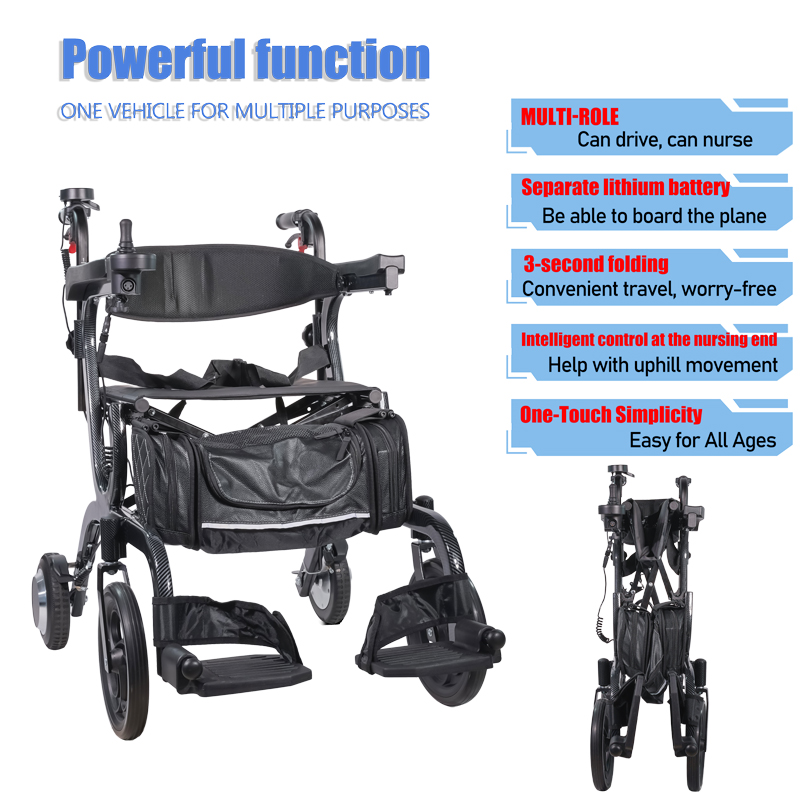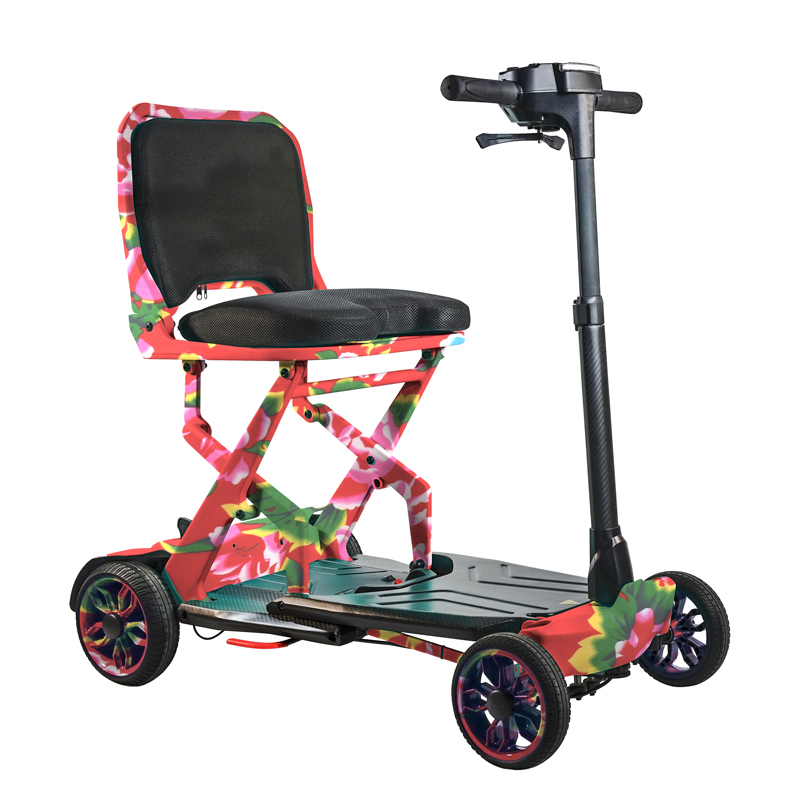
Enhancing Mobility Solutions: The Evolution of Modern Lightweight Electric Wheelchairs
In today’s rapidly evolving healthcare and mobility equipment sector, the demand for advanced personal transportation solutions continues to grow. As businesses seek to provide better products and services to their clients, the development of innovative mobility devices has become increasingly important. Among these solutions, the lightweight foldable electric wheelchair represents a significant advancement in both technology and design.
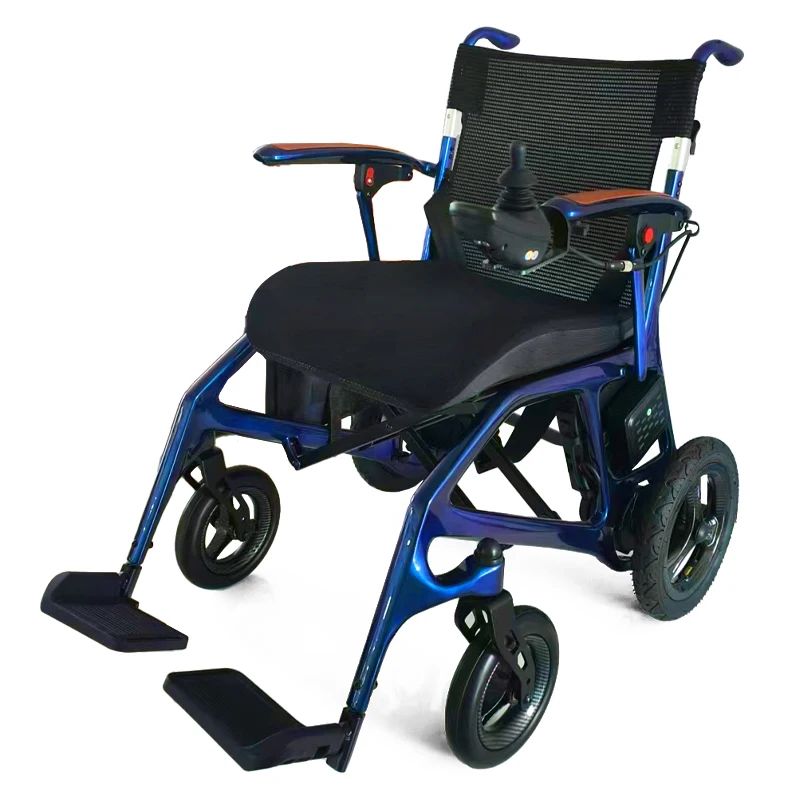
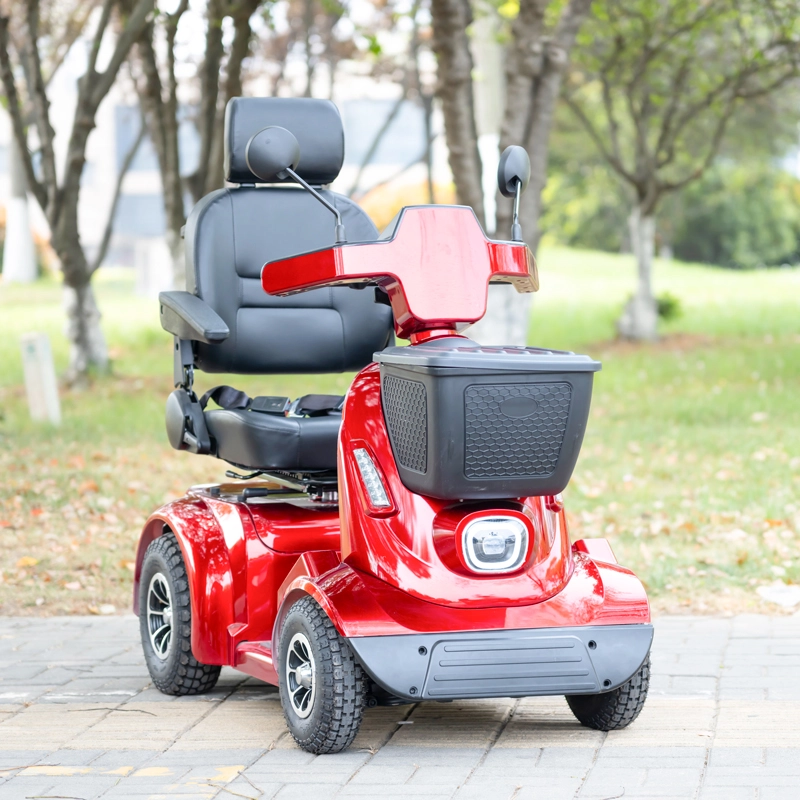
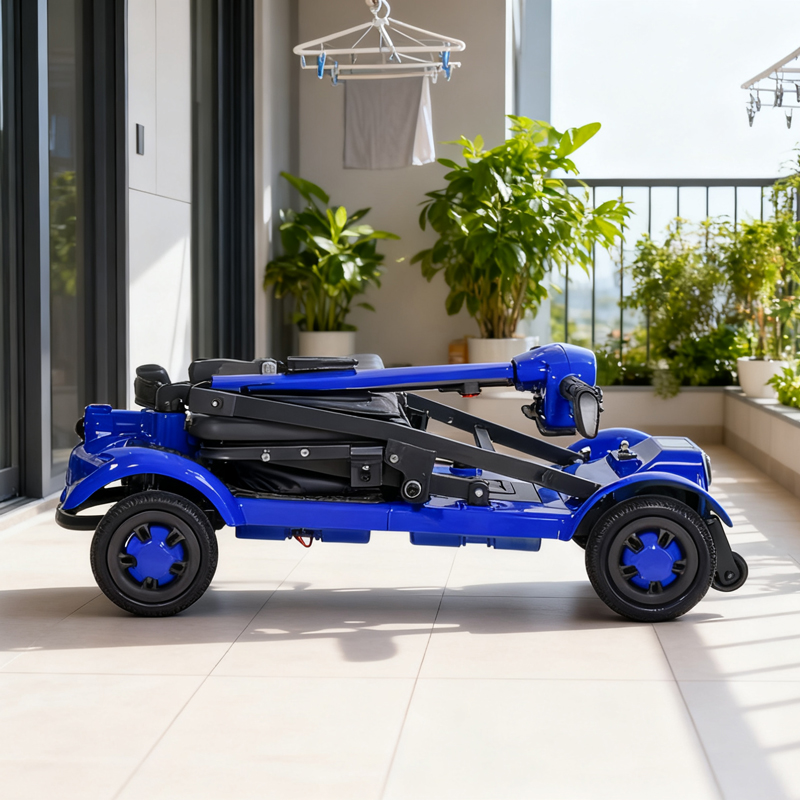
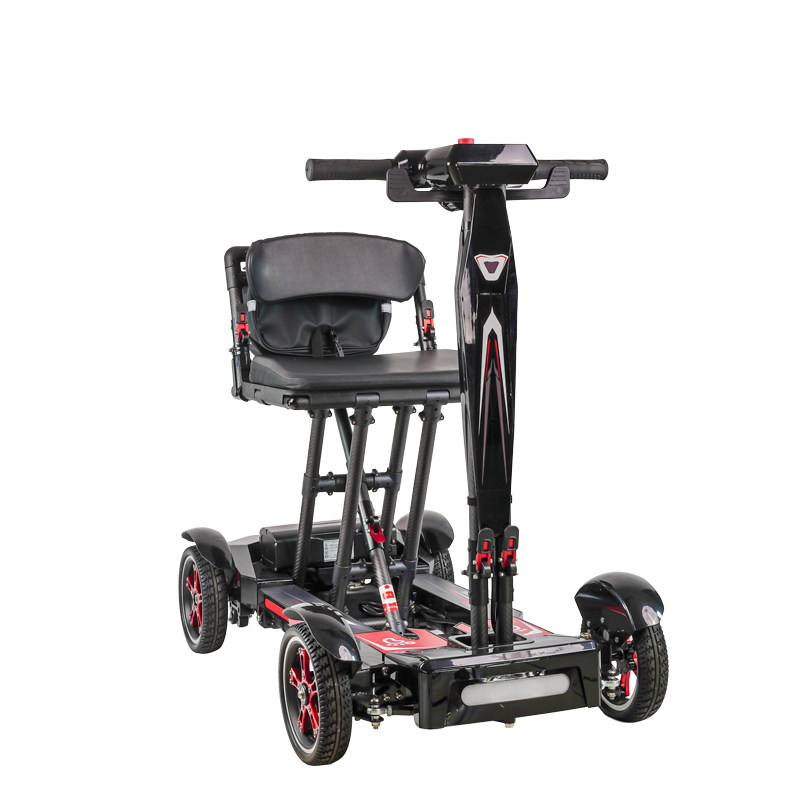
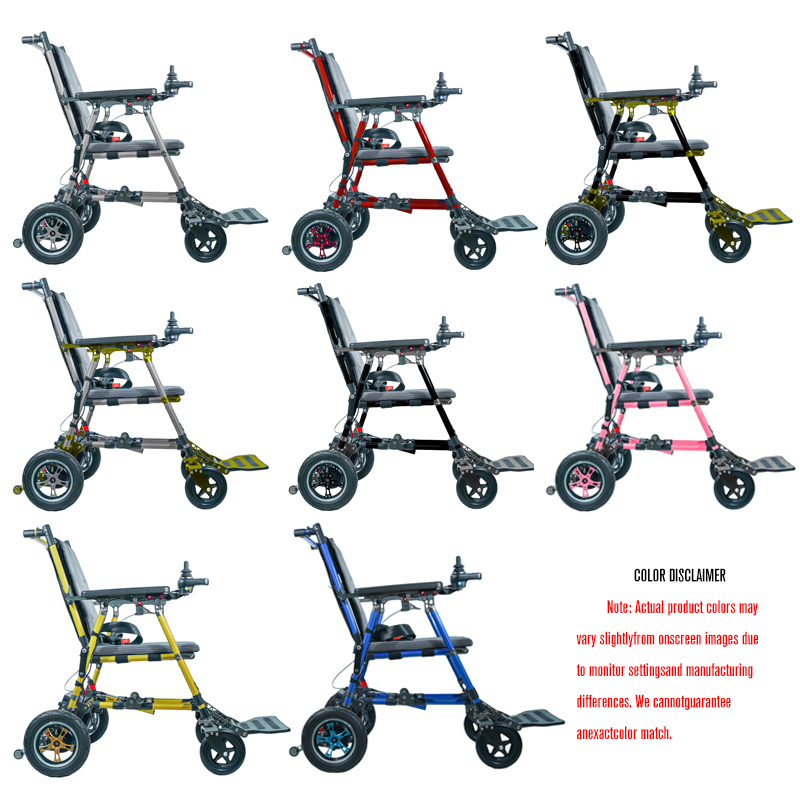
The modern portable electric wheelchair combines practical functionality with engineering excellence. These devices feature robust yet lightweight materials that ensure durability without compromising on portability. The foldable wheelchair lightweight design allows for easy storage and transportation, making it an ideal solution for various environments including healthcare facilities, rehabilitation centers, and personal use scenarios.
One of the key advantages of contemporary motorized wheelchair products is their ability to provide independent mobility while maintaining compact dimensions. The integration of efficient power systems and intelligent control mechanisms ensures smooth operation and reliable performance. These wheelchairs are designed to navigate various terrains while offering comfort and safety to users.
For businesses operating in the mobility equipment sector, the wheelchair product category offers substantial market opportunities. The growing aging population and increased awareness of accessibility needs have created a expanding market for high-quality mobility solutions. Modern manufacturers are responding to this demand by developing products that meet strict quality standards while incorporating user-friendly features.
The commercial appeal of these products lies in their versatility and adaptability. Whether for institutional use in medical facilities or for individual consumers seeking reliable mobility aids, these electric wheelchairs offer practical solutions that enhance quality of life. Their design considerations include ease of use, maintenance requirements, and overall cost-effectiveness for both providers and end-users.
As technology continues to advance, we can expect further improvements in battery efficiency, control systems, and material science that will make these mobility solutions even more accessible and effective. The ongoing innovation in this field demonstrates the industry’s commitment to meeting the evolving needs of users while providing business opportunities for distributors and service providers.
The market for advanced mobility solutions continues to offer growth potential for businesses that can provide reliable, high-quality products that genuinely improve users’ daily lives. By focusing on user needs and technological innovation, companies can contribute to better mobility solutions while building sustainable business models in this essential sector.