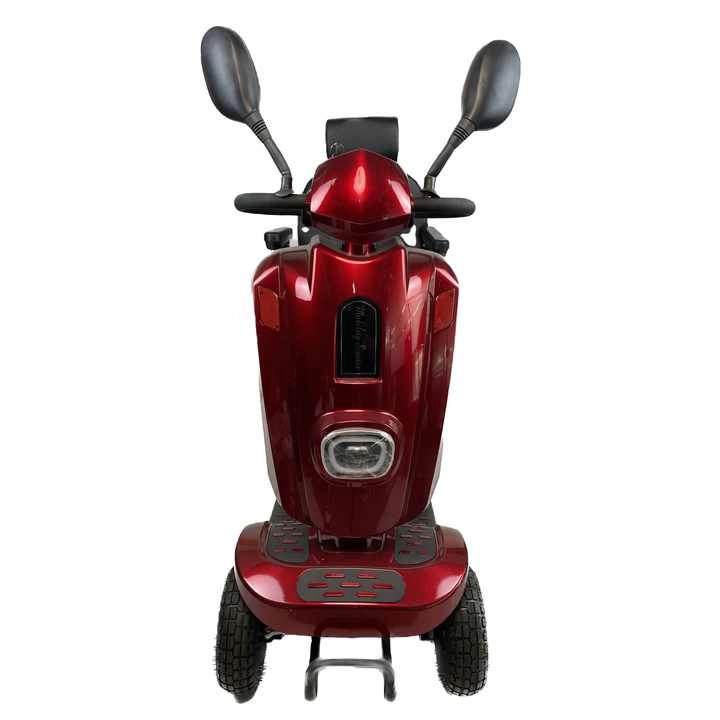
Folding Electric Mobility Scooters: Revolutionizing Urban Transportation for Businesses
The Rise of Compact Electric Mobility Solutions
In an era marked by increasing urban congestion and growing environmental awareness, foldable electric scooters have emerged as a transformative solution for modern transportation challenges. These innovative vehicles represent the convergence of portability, efficiency, and practical functionality, offering businesses across multiple sectors a versatile tool to enhance operational capabilities while supporting sustainable practices.
The compact nature of these scooters, combined with their electric powertrains, addresses two critical concerns facing contemporary urban centers: space optimization and emission reduction. As cities worldwide implement stricter environmental regulations and businesses seek cost-effective alternatives to traditional transportation, foldable electric scooters present a compelling answer that aligns with both ecological and economic objectives .
Key Advantages for Business Applications
Exceptional Portability and Space Efficiency
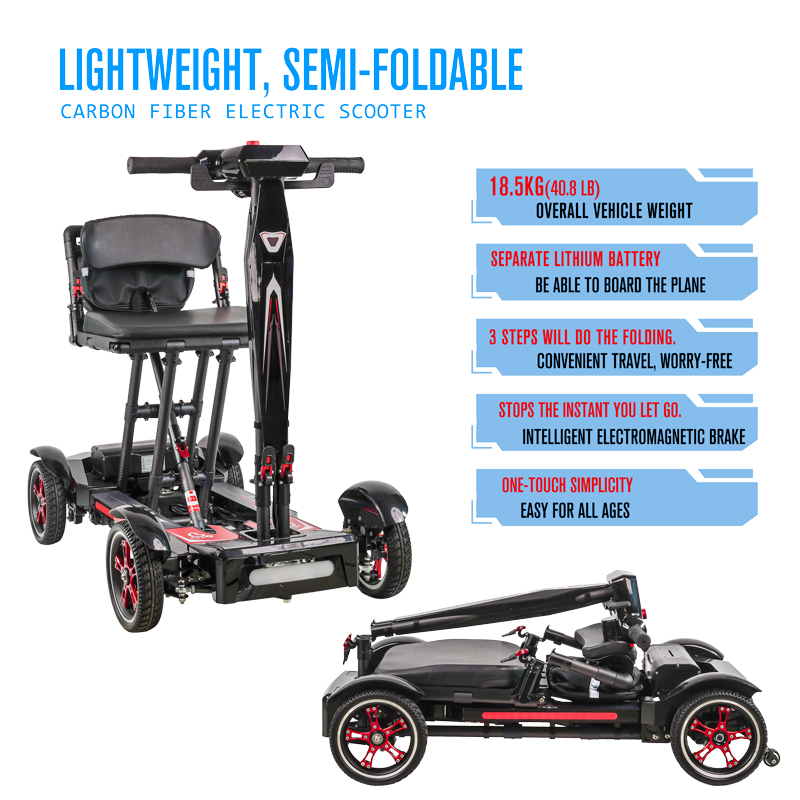
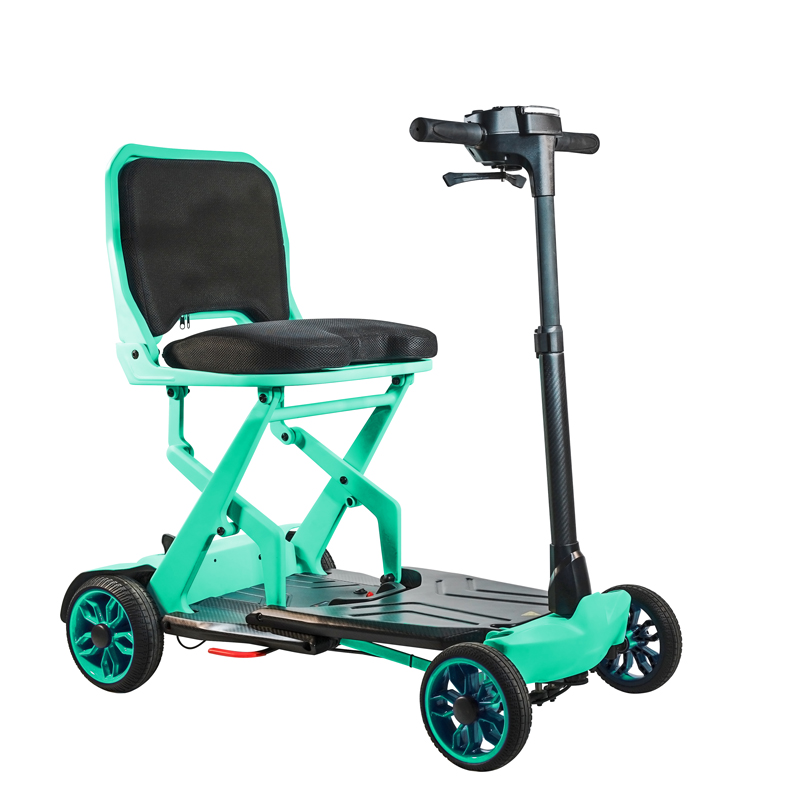
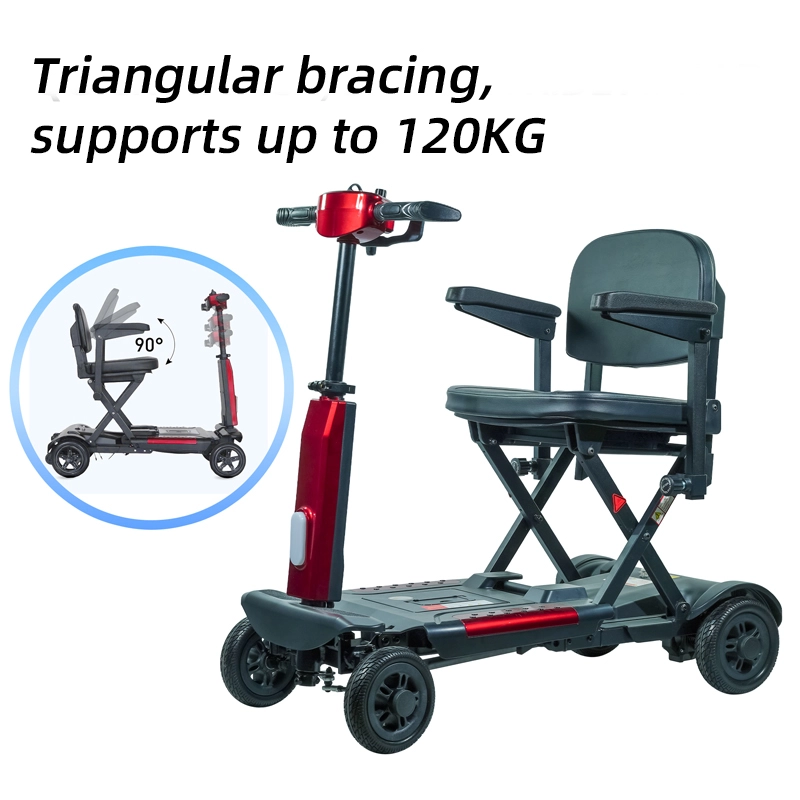
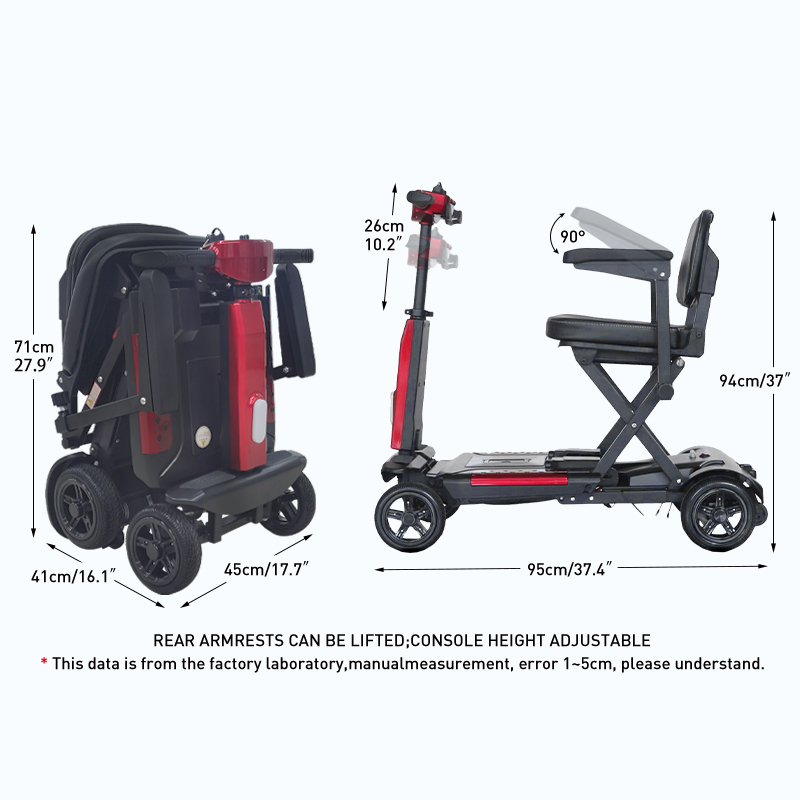
The defining feature of these mobility solutions is their innovative folding mechanism, which allows for significant space reduction during storage and transportation. This characteristic proves particularly valuable for businesses operating in urban environments where real estate premiums make space optimization crucial. The ability to compactly store multiple units enables companies to maintain fleets without requiring extensive parking or storage facilities .
This portability extends beyond mere storage considerations. The compact folded dimensions facilitate straightforward transportation in vehicles, on public transit, or even as checked baggage when necessary, providing businesses with unprecedented flexibility in deployment and relocation of their mobility assets .
Operational Versatility Across Sectors
The applications for foldable electric scooters span diverse industries, each benefiting from the unique advantages these vehicles offer:
- Shared Mobility Services: Companies operating scooter-sharing platforms benefit from the space-efficient storage during off-peak hours and simplified redistribution across service areas. The robust construction of commercial-grade models ensures durability under frequent public use .
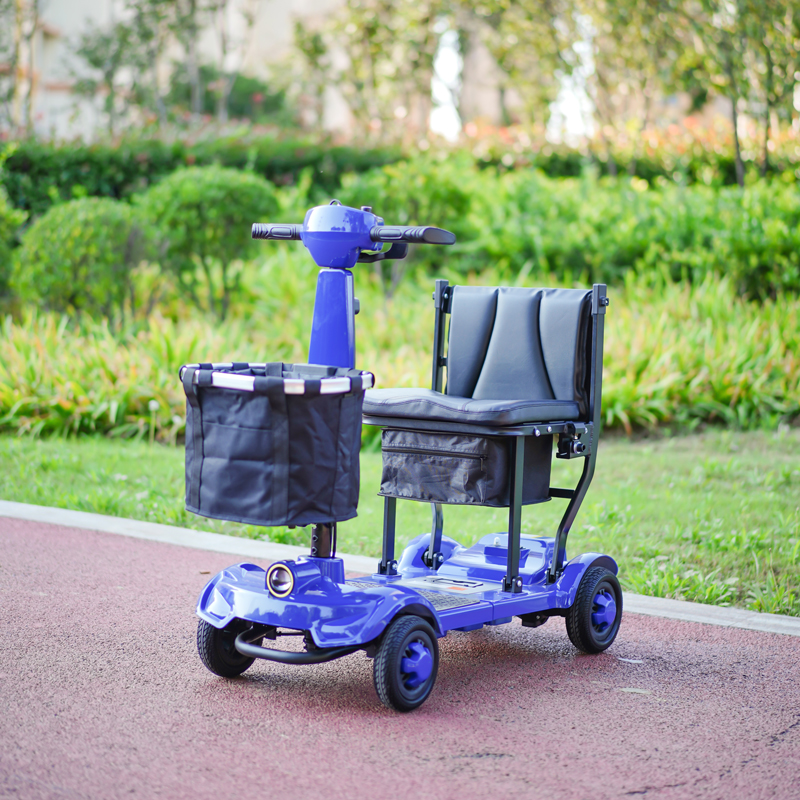
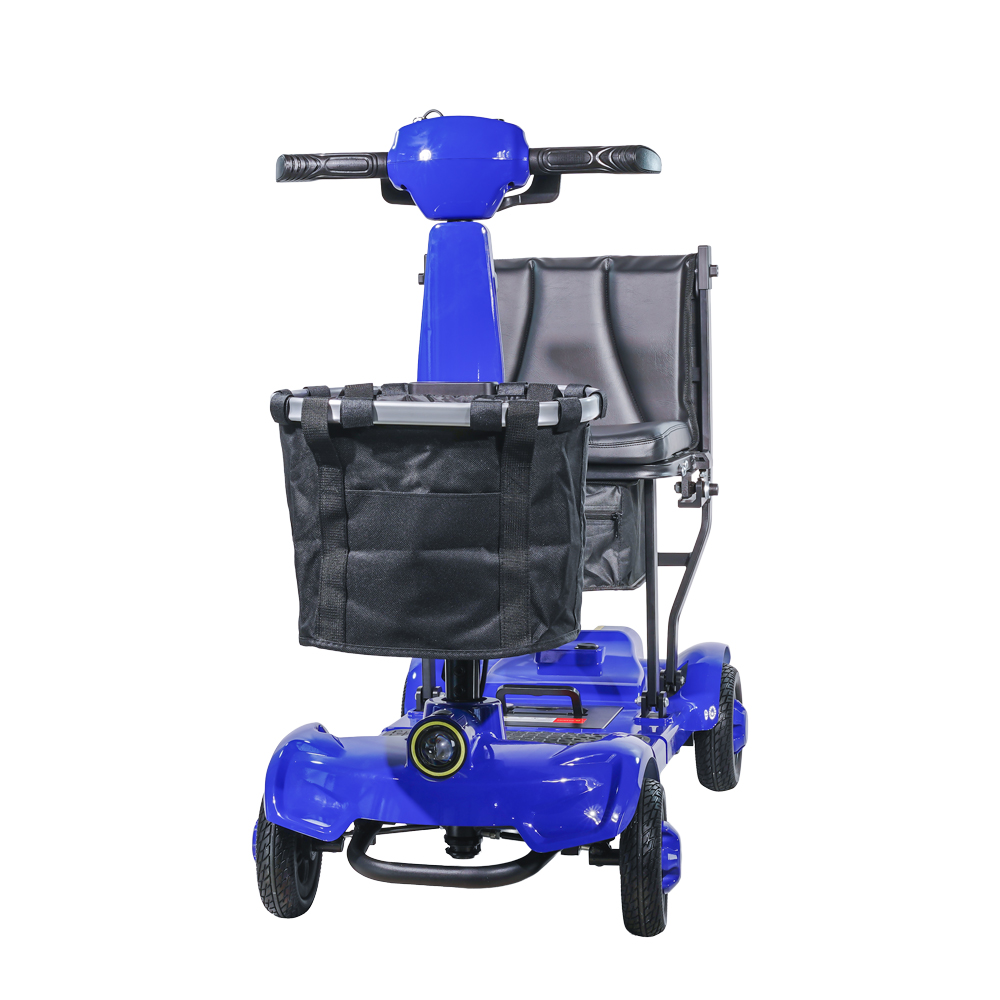
- Logistics and Delivery: For last-mile delivery services, these scooters provide agile urban navigation while eliminating emissions associated with traditional delivery vehicles. Couriers can efficiently maneuver through congested areas while carrying parcels in integrated storage compartments .
- Corporate Campuses and Facilities: Large industrial complexes, corporate headquarters, and educational institutions utilize these scooters for internal transportation, enabling employees and personnel to cover substantial distances between facilities quickly without relying on conventional vehicles .
- Tourism and Hospitality: Resorts, theme parks, and tourism operators deploy foldable scooters to enhance guest mobility while minimizing the spatial footprint when not in use. The quiet operation preserves the tranquility of recreational environments .
Technical Considerations for Business Procurement
When evaluating foldable electric scooters for commercial applications, several technical specifications warrant careful consideration to ensure optimal alignment with operational requirements:
Power and Performance Specifications
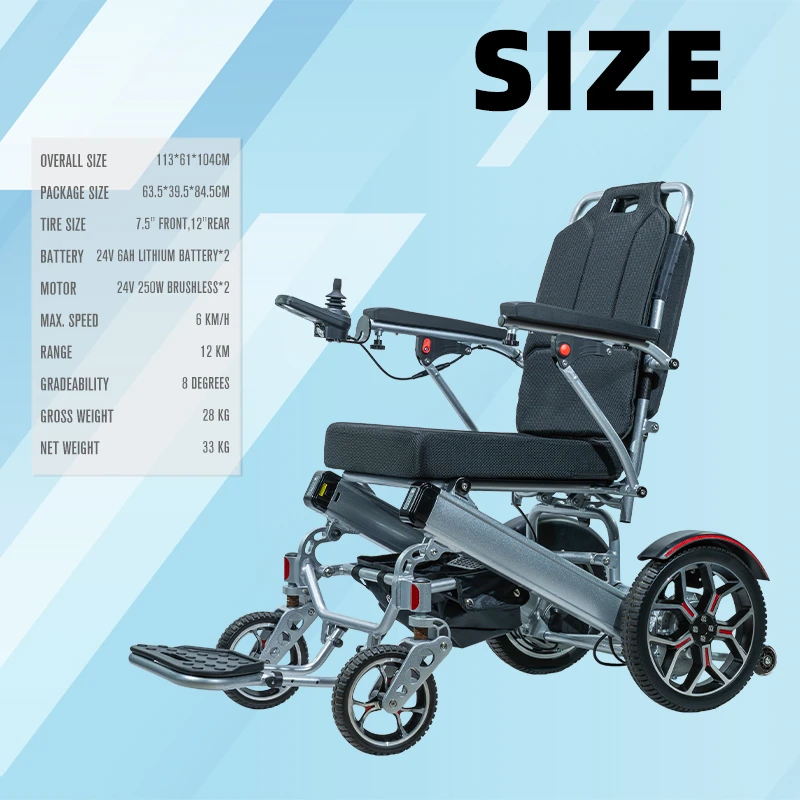
The motor power typically ranges from 250W for basic models to 1000W or more for heavy-duty commercial applications. Higher wattage translates to improved performance on inclines and better load-handling capabilities, crucial factors for businesses operating in varied terrain or requiring the transportation of additional cargo .
Similarly, maximum speed parameters typically range from 15-25 km/h for entry-level models to 35-45 km/h for performance-oriented versions. Businesses must balance speed requirements with local regulations, as many municipalities impose restrictions on electric vehicle speeds in public areas .
Battery Technology and Range Considerations
Modern foldable scooters predominantly utilize lithium-ion battery technology, prized for its high energy density and extended lifecycle. Battery capacity, measured in ampere-hours (Ah), directly correlates with operational range between charges. Commercial buyers should carefully assess typical daily usage patterns to ensure selected models can meet operational demands without excessive downtime for recharging .
Charging infrastructure represents another consideration for businesses maintaining fleets. The development of centralized charging stations with secure storage can optimize operational efficiency while safeguarding valuable assets .
Durability and Load Capacity
Commercial applications demand enhanced durability compared to consumer-grade products. Robust construction materials, particularly in the frame and folding mechanisms, ensure longevity under frequent use. Additionally, weight capacity specifications vary significantly across models, with commercial-grade units typically supporting heavier loads to accommodate various business needs .
Strategic Implementation for Business Optimization
Successful integration of foldable electric scooters into business operations requires thoughtful planning and strategic implementation:
Fleet Management Considerations
Businesses utilizing multiple units benefit from implementing comprehensive management systems to track maintenance schedules, utilization patterns, and operational costs. Modern solutions incorporate digital platforms that provide real-time data on vehicle location, battery status, and service requirements, enabling proactive maintenance and optimizing deployment strategies .
Safety and Training Protocols
Establishing comprehensive safety protocols represents a critical component of successful implementation. This includes both initial training for users and regular maintenance checks to ensure all safety systems function correctly. Features such as reliable braking systems, adequate lighting, and audible warning devices contribute to safer operation in various environments .
Cost-Benefit Analysis
The economic argument for adopting foldable electric scooters extends beyond the initial purchase price. Businesses should conduct thorough analyses considering total cost of ownership, including maintenance, charging expenses, and potential savings from replaced transportation methods. The significantly lower operating costs compared to traditional vehicles, combined with their environmental benefits, create a compelling financial case for many organizations .
Future Outlook and Emerging Trends
The foldable electric scooter market continues to evolve with technological advancements driving increased capabilities and new applications. Several emerging trends suggest an expanding role for these vehicles in business operations:
Integration with Smart City Infrastructure: As urban environments incorporate more connected technologies, foldable scooters are increasingly compatible with these systems, enabling features such as optimized routing and realized traffic management integration .
Battery Technology Advancements: Ongoing research into energy storage promises continued improvements in range capabilities and recharging speed, potentially addressing current limitations regarding operational duration .
Modular Design Approaches: Some manufacturers are exploring modular architectures that allow businesses to customize configurations based on specific application requirements, enhancing versatility across different use cases .
Autonomous Operation Capabilities: While still in developmental stages, the integration of autonomous navigation technologies could eventually enable new applications in logistics and transportation services, further expanding the business case for these versatile vehicles .
Conclusion: A Strategic Mobility Solution
Foldable electric scooters represent more than merely a convenient transportation option; they offer businesses a strategic tool for addressing contemporary urban mobility challenges while advancing sustainability objectives. Their unique combination of compact storage, zero emissions operation, and operational versatility makes them increasingly indispensable across numerous industries.
As technological advancements continue to enhance their capabilities and reduce costs, these vehicles will likely play an expanding role in business mobility strategies. Organizations that strategically incorporate foldable electric scooters into their operations stand to gain not only operational efficiencies but also positioning as forward-thinking entities committed to innovative, sustainable solutions.
The businesses that will derive maximum benefit are those that approach implementation holistically—considering not just the vehicles themselves but the supporting infrastructure, training protocols, and integration with broader mobility strategies. With careful planning and strategic implementation, foldable electric scooters can deliver substantial returns while contributing to more sustainable and efficient business operations.